






Soluciones de sabor para los productos del tabaco moderno
Los sabores contribuyen a dar forma al aroma, el sabor y la identidad sensorial de los productos del tabaco.Las formulaciones personalizadas permiten a los fabricantes desarrollar productos distintivos para diferentes mercados.
Principales aplicaciones
Los cigarrillos
Los sabores del tabaco pueden mejorar las notas naturales del tabaco, reducir los olores indeseables y crear un perfil más suave y equilibrado.Aromas de café y frutas.
Las cápsulas de sabor
Las cápsulas de sabor se colocan dentro de filtros de cigarrillo o HNB. Cuando se trituran, liberan un aroma concentrado y proporcionan una experiencia de sabor interactiva.
Las soluciones de cápsulas simples, dobles y personalizadas están disponibles en perfiles tales como:
Mentol y menta
Frutos de la planta
Arándano y cítricos
Café y vainilla
Combinaciones de frutas mezcladas
Las fórmulas de cápsulas deben ofrecer almacenamiento estable, liberación controlada y buena compatibilidad con la estructura del filtro.
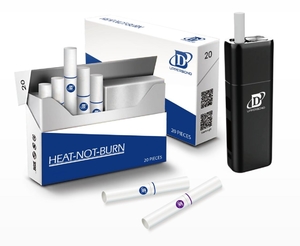
Productos de tabaco calentados
Los productos HNB requieren formulaciones adecuadas para el calentamiento controlado.
Los cigarros y los cigarrillos
Las formulaciones de sabor pueden añadir profundidad y carácter a los puros y cigarillos.
El tabaco Shisha
Los productos de Shisha admiten una amplia gama de opciones de sabores, incluidas la menta, la uva, los arándanos, los cítricos, la sandía y los perfiles de frutas mixtas.
Por qué son importantes las formulaciones personalizadas
Las soluciones de sabor personalizadas pueden ayudar a los fabricantes a lograr:
Identidad distintiva del producto
Aroma y sabor equilibrados
Rendimiento estable de lote a lote
Compatibilidad con las diferentes bases de tabaco
Perfiles de sabor adaptados a los mercados objetivo
Desarrolle su sabor personalizado
Proporcionamos soluciones de sabor personalizadas para cigarrillos, palos de HNB, cápsulas de sabor, puros y tabaco shisha.perfil de sabor preferido y requisitos del mercado.
Todos los ingredientes y formulaciones deben evaluarse de acuerdo con la normativa del mercado de destino antes de su producción comercial.